Table Of Content
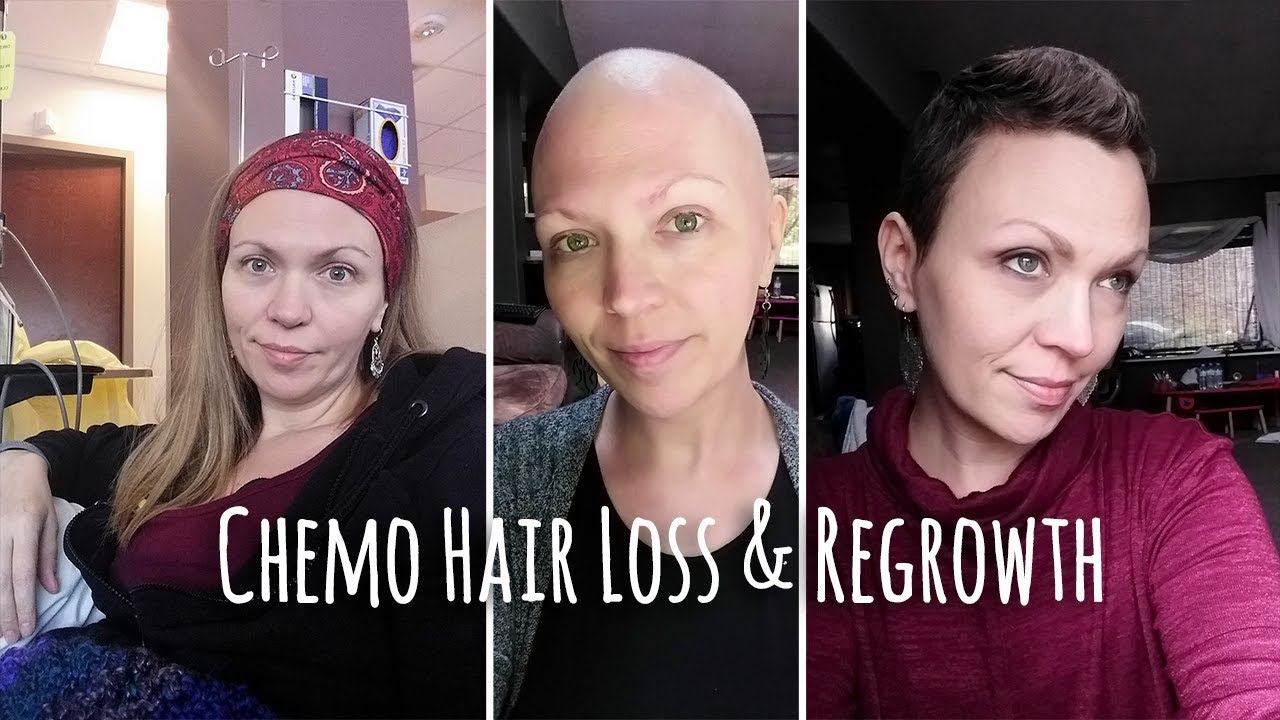
Some find it helps to shave their head or cut their hair short once they experience hair loss. While waiting for your hair to grow back, you can wear a hat, wig, turban, or scarf. Many people prefer to go without a head covering or wearing one occasionally. Hair loss is a common side effect from chemotherapy. It occurs due to the way chemotherapy works-by interfering with the way cells divide.

Drugs & Supplements
Many people have tried scalp massage to increase blood flow to the hair follicles. While this probably has little role in preventing hair loss, it can be a loving and soothing act of kindness from a helpless feeling loved one. One of the most distressing side effects of chemotherapy is hair loss (alopecia). For many of us, our hair is part of our image, the way the public sees us when we step outside. Hair loss typically begins one to three weeks into chemo treatment. Some people notice mild thinning, while others may lose hair over their entire body.
Side effects of cancer drugs
Less blood and less of the chemotherapy reaches your hair follicles through the blood vessels. Keeping your scalp very cold also helps prevent damage to the hair follicles. A person may find they are more comfortable wearing wigs or scarves to cover their hair loss. Other people may find it easier to shave their hair off themselves before it starts to fall out. You have to continue wearing the cold cap for some time afterwards. The time you need to wear it will depend on what type of chemotherapy drug you’ve had.
Other cancer hair loss options
Scalp cooling allows woman to keep hair during chemotherapy - VUMC News - VUMC Reporter
Scalp cooling allows woman to keep hair during chemotherapy - VUMC News.
Posted: Fri, 08 Mar 2024 08:00:00 GMT [source]
One preventive measure is the use of scalp cooling. This can be done with ice packs, cooling caps, or scalp cooling systems used before, during, or after treatment. This causes the capillaries supplying the hair follicles to constrict, exposing them to less chemotherapy medication. Ask your doctor about “scalp cooling.” A tight cap filled with cold gel reduces hair loss for some people. The temperature narrows blood vessels underneath the scalp, limiting the amount of medicine that reaches hair follicles.

Scalp cooling, also known as scalp hypothermia, has shown some effectiveness with certain chemotherapy drugs. It may prevent some (but not all) hair loss during certain types of chemotherapy treatment. A person may be able to reduce their risk of hair loss during chemotherapy by wearing a cooling cap on their head during chemo. A cooling cap helps cool the scalp, helping reduce blood flow to the area. This can help limit the amount of chemotherapy drugs that reach the scalp. Hair loss with chemotherapy (chemo) varies based on the type of chemotherapy drug or the combination of drugs used, the dosage, and the type of cancer you have.
Certain chemotherapy drugs may cause hair loss in some people but not in others. All chemo drugs don’t cause hair loss, also called alopecia. If it happens, you’ll usually notice it within the first 2 weeks of treatment. However, using scalp hypothermia also results in a very small risk of cancer happening in your scalp. This is because this area doesn't get the same dose of chemotherapy as the rest of your body. People undergoing scalp hypothermia report feeling very cold and having headaches.
The Pain of Losing My Hair During Chemotherapy - The Atlantic
The Pain of Losing My Hair During Chemotherapy.
Posted: Sat, 20 Jan 2024 08:00:00 GMT [source]
More on Cancer
It’s another expensive treatment that isn’t generally covered by insurance, but it tends to be a long-lasting solution. By contrast, scarring alopecia, another autoimmune disease that causes hair loss, is often accompanied by itchiness, tenderness and scaling of the scalp. Scarring alopecia is the most devastating type of hair loss, Mirmirani says, because it permanently destroys the hair follicles. Hair loss and hair thinning can be temporary or permanent.
action: 'healthbeat'
Whether your hair thins or you become completely bald will depend on your treatment. Talk to your healthcare team about the chemotherapy medicines you'll receive. Talk to your cancer care team about any fears or concerns you have about losing your hair.
Tips for Tying a Headscarf
Low-dose oral minoxidil (prescribed off-label) has been found to be effective and safe for most patients, Mirmirani says. Other oft-used drugs include finasteride (Propecia) and spironolactone. Most users see results after consistent use for about two months. Ask your specialist nurse if wearing a cold cap during chemotherapy is suitable for you. If you're worried, you can discuss the possible risks with your specialist nurse.
But only some chemotherapy drugs cause hair loss or slight hair thinning. Chemotherapy works by killing rapidly dividing cells, including cancer cells. But chemotherapy can’t tell the difference between cancer cells and other normal cells that also divide quickly, such as those in hair follicles. When chemotherapy attacks the hair follicles, it causes the hair to fall out. A process called scalp cooling can reduce or prevent hair loss due to chemotherapy. It is not suitable for everyone having chemotherapy.
"When I had my chemotherapy I had done some research about cooling caps, I realised I had the right kind of hair for it to be successful – thick and dark. You may have lost your hair during cancer treatment. Most people find their hair will start to grow back after treatment. Your hair may need to get to a certain length before you can have it cut or apply any treatments. Your doctor or specialist nurse can tell you more about the risk of hair loss with your type of drug. It’s hard to know who will experience partial or complete hair loss while undergoing chemo.


No comments:
Post a Comment